Your Success is Our Success!
A Mutually Beneficial and Collaborative Effort to Promote the Correct Way to Treat Cancer
I am immensely proud of having developed and optimized this new and revolutionary treatment, which I called “Atavistic Chemotherapy.” Atavistic chemotherapy involves the strategic combination of five or six different existing, non-experimental drugs, which have been used in medical practice around the word and for decades to treat serious infectious diseases in humans and animals.
Atavistic chemotherapy has no connection or similarity with traditional chemotherapy. Chemo-therapy or chemical-therapy, means a therapy based on the use of chemicals or pharmaceuticals (medicines, medicinal drugs). Chemotherapy does not mean toxic therapy nor a therapy exclusively to treat cancer. Any therapy for any disease that involves the use of medicinal drugs or chemicals can be considered chemotherapy. The German scientist, Paul Ehrlich, is credited with coining the term “chemotherapy” in 1907, which he defined as the use of specific chemical compounds to target and destroy microbes while leaving the host unharmed. He synthesized compound No. 606, later marketed as Salvarsan, the first effective chemotherapy against syphilis.
I accept the enrollment of patients with inoperable or metastatic cancer in whom I believe, based on the extension of his/her cancer, that the complete eradication of the disease is likely within three to six months of atavistic chemotherapy. Also, patients who wish to avoid a disfiguring or incapacitating radical surgery to treat his/her cancer (mastectomies, hysterectomies, enucleation of eyes, glossectomies, laryngectomies or amputations of limbs in young people), are encouraged to contact us to discuss the case. My confidence in atavistic chemotherapy is such that if you do not see an objective visual, radiological or biochemical response to the treatment within the first three weeks of treatment, you owe nothing.
Unlike traditional chemotherapy, atavistic chemotherapy is non-toxic and does not require hospitalization to be implemented; medicines are taken orally, in the privacy of the patient’s home. More importantly, its effectiveness has been established in a wide range of operable, inoperable, and metastatic cancers. This innovative therapeutic approach to cancer has been in the United States clinical trials registry since 2015. This is under the identifier NCT02366884 at ClinicalTrials.gov
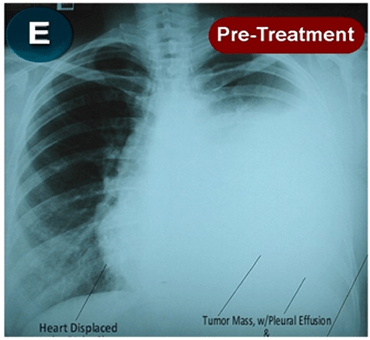
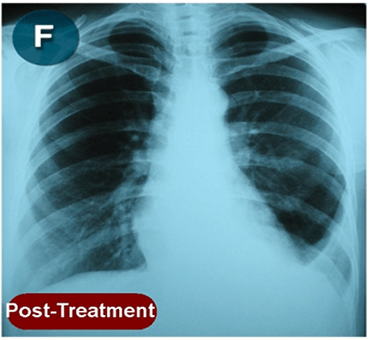
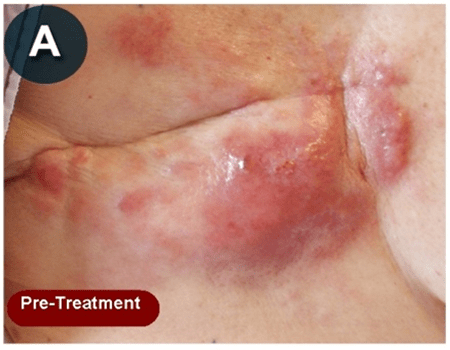
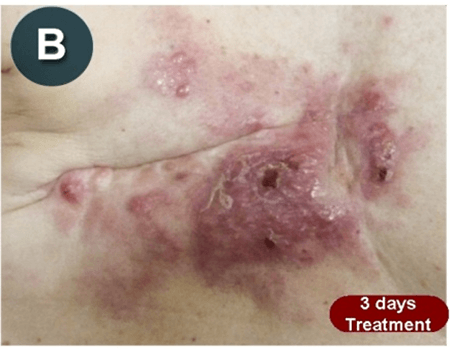
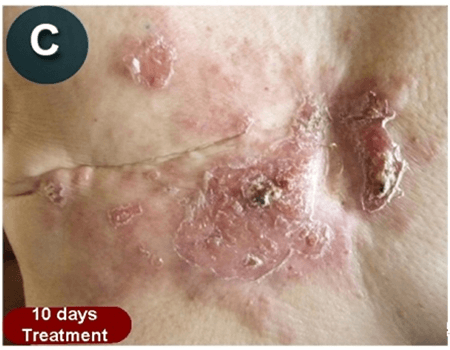
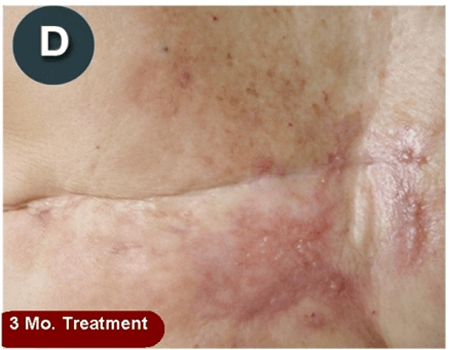
Recurrent adenocarcinoma of the right breast with metastases to the pleura, pericardium, and lung, two years after mastectomy, traditional chemotherapy and radiation. No further palliative treatment was offered to the patient.
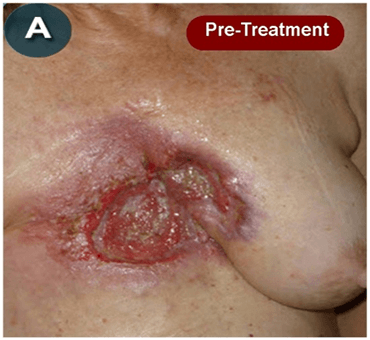
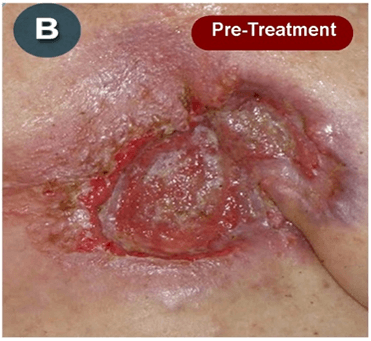
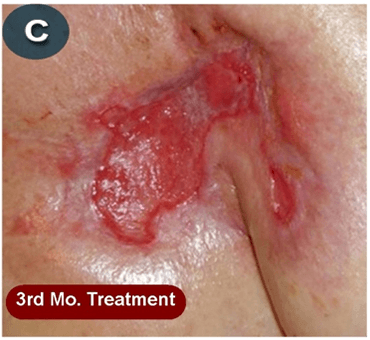
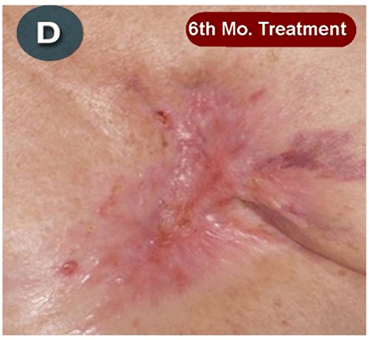
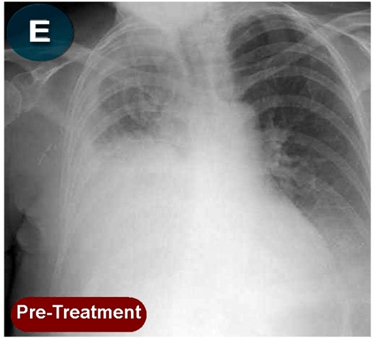
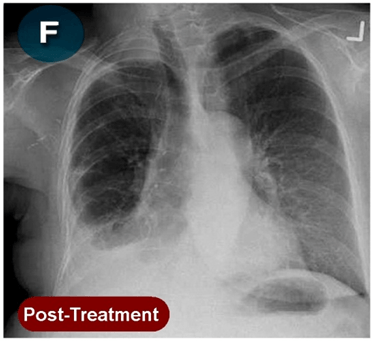
Inoperable, locally advanced adenocarcinoma of the left breast with metastases to the liver after six cycles of traditional chemotherapy prior to enrollment in our trial.
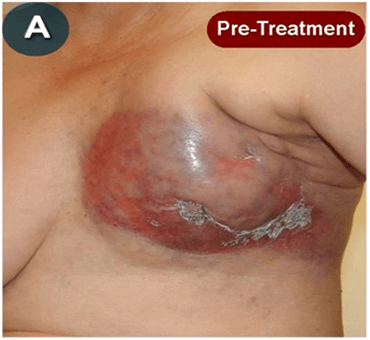
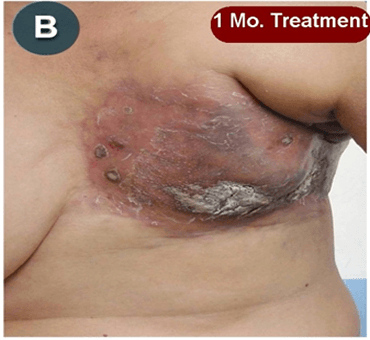
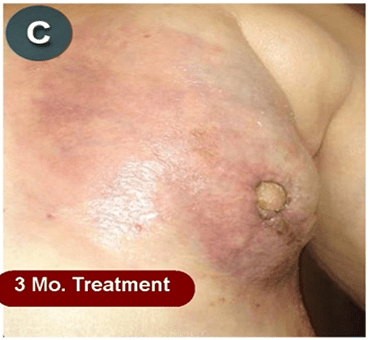
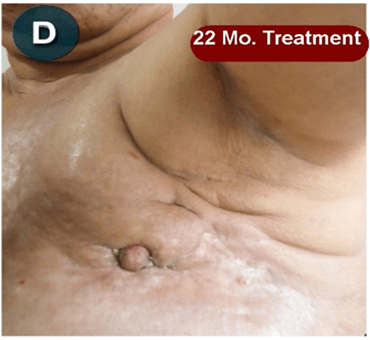
Triple-negative breast cancer, second local recurrence
and progressing during traditional chemotherapy prior to enrollment in our trial.
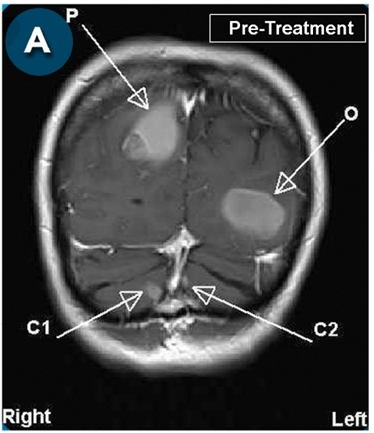
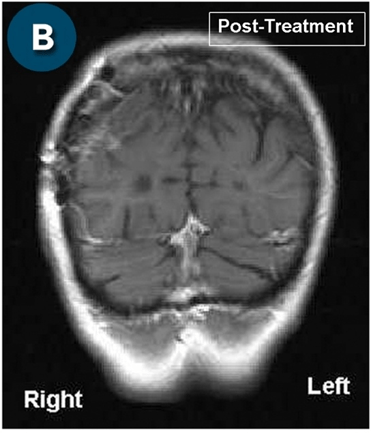
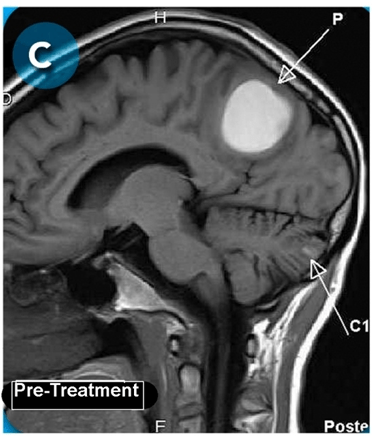
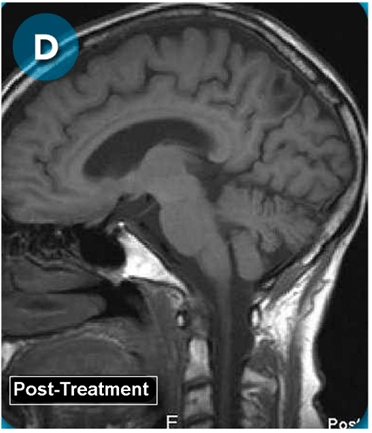
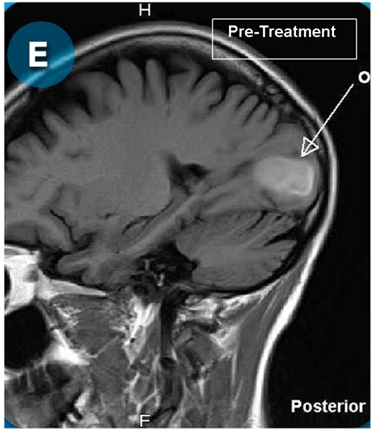
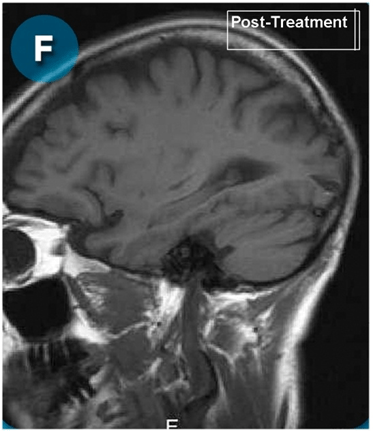
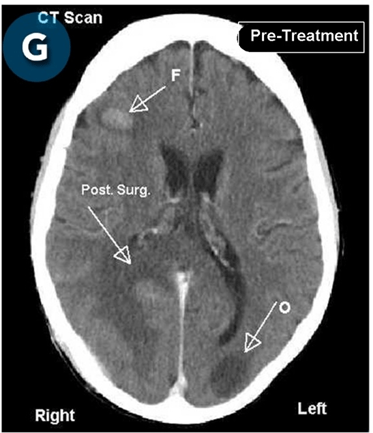
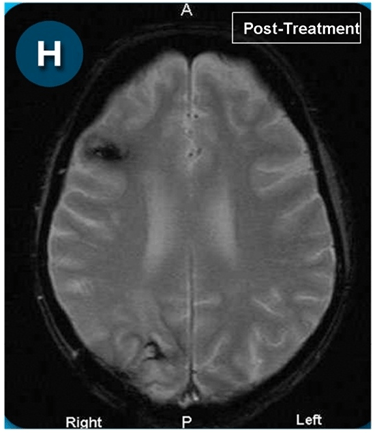
Five large hemorrhagic brain metastases, diagnosed four years after the removal of a cutaneous malignant melanoma. After whole brain radiation, no further palliative treatment was offered to the patient.
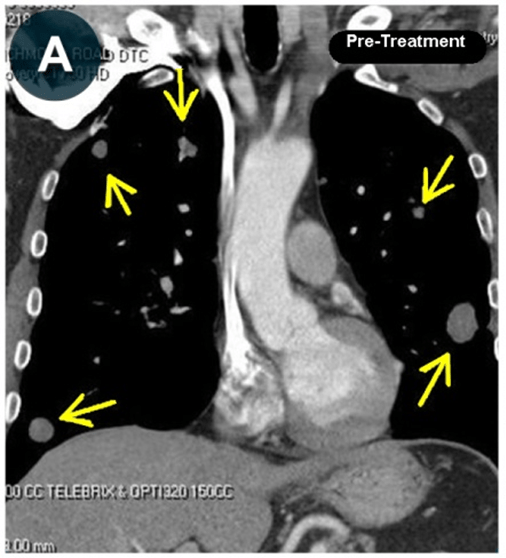
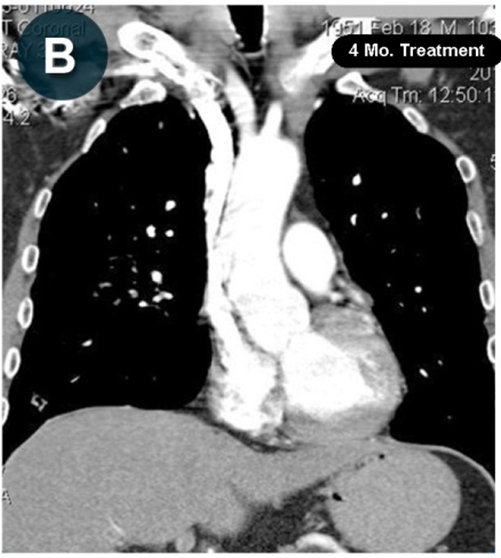
Five large metastatic tumors in the lungs from a colon cancer removed two years earlier, followed by traditional chemotherapy.